Creating a stylish space isn’t just about looking good on the surface. Hotel furniture really helps set a warm, welcoming vibe. The right pieces—those that strike a good balance between comfort and style—can totally influence how guests feel about their stay. You know, it’s all about making them comfortable and at home.
Take a moment and think about your own space. Are your furnishings inviting enough? It’s not just about how they look but also about how practical they are. Picking materials that are durable—things that can handle some wear and tear—without losing charm is key. Chairs, tables, beds—these all play a huge role in shaping your guests’ experience.
And hey, it’s not always about buying brand new furniture. Sometimes a little update or sprucing up what you already have can do the trick. A fresh coat of paint or new upholstery can make everything look new again. The trick is to find that sweet spot between functionality and style so your hotel really stands out. Every decision you make contributes to giving your guests a stay they won’t forget.
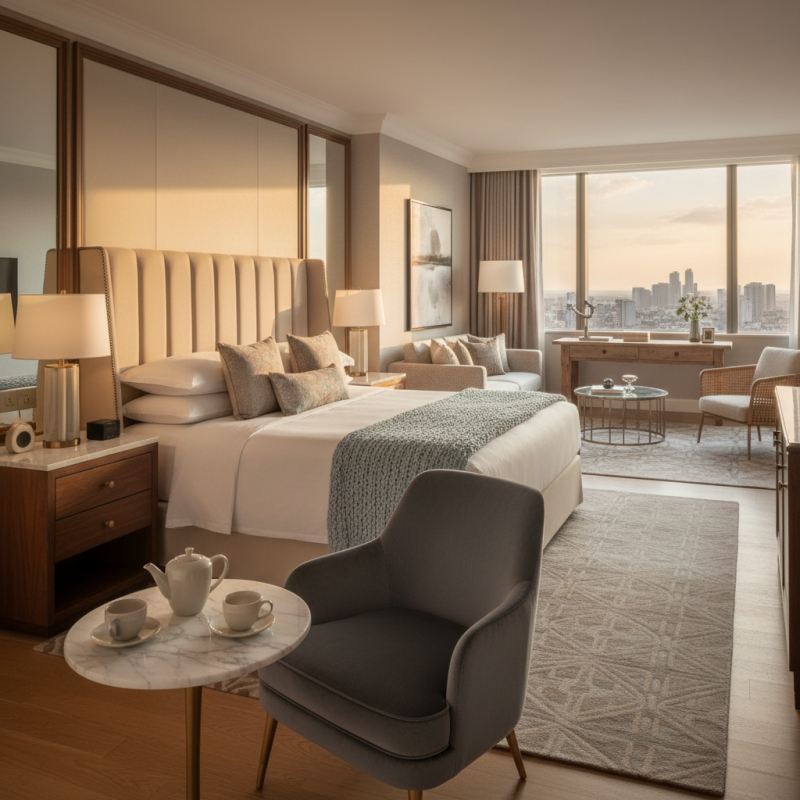
When selecting hotel furniture, comfort and style are key. Choose pieces that reflect the hotel's theme. Guests should feel welcome and relaxed. The furniture should also be durable. High traffic areas need robust choices. Soft seating can create a homey atmosphere.
Tips: Invest in quality materials. This cuts down on replacement costs. Look for versatile designs too. They adapt to changing trends. Pay attention to colors and textures. These elements impact mood significantly.
Consider the space layout. Each piece should complement the others. Too much clutter can be overwhelming. A well-organized space promotes relaxation and calm. Remember that the right Office Furniture Furniture can enhance functionality. It's all about balance.
The world of hotel furniture design is ever-evolving. Today, various trends define the aesthetic and functional aspects of accommodations. One prominent trend is the use of sustainable materials. Many hotels are exploring eco-friendly options. Bamboo, reclaimed wood, and recycLED metals are popular choices. These materials not only look great but also promoteenvironmental responsibility.
Another trend gaining traction is the blend of comfort and technology. Furniture pieces now include built-in charging stations and smart features. This fusion enhances guest experience, making stays more enjoyable. However, it’s important to balance style with practicality. Overly complex designs may lead to maintenance challenges. Simplicity often speaks volumes.
Furthermore, personalization plays a key role in hotel furniture design. Custom pieces that reflect local culture create a unique atmosphere. Yet, not all hotels embrace this idea. Some opt for generic solutions, missing an opportunity to connect with guests. Thoughtful design should tell a story. This could lead to reflections on how hotels can better embrace local identity.
When designing hotel rooms, the right furniture plays a crucial role. Comfortable beds are a must. A plush mattress can make a huge difference. Dressers and nightstands should offer functionality without compromising style. Guests appreciate having space for their belongings.
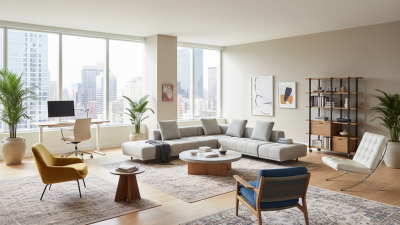
Seating areas are essential too. A small sofa or a couple of stylish chairs can enhance the room's ambiance. Accent tables are great for convenience. This setup encourages relaxation and social interaction among guests.
**Tips:** Choose materials that withstand wear and tear. Durable fabrics not only look good but also last longer. Keep in mind, too, that colors can significantly impact mood. Earthy tones often create a calming environment. Just be cautious. Sometimes bold choices may clash with the overall design.
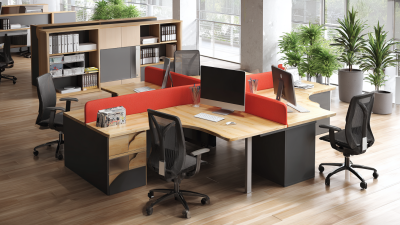
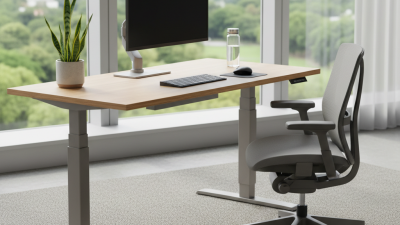
Lastly, don’t overlook the practicality of workspaces. A small desk paired with a comfy chair can cater to business travelers. City Furniture Office Furniture can blend seamlessly with your overall hotel design. Balance is key. It’s vital to think about each piece’s purpose.
Choosing the right materials and finishes for hotel furniture is crucial for both style and durability. Studies show that hotels outfitted with high-quality materials can improve guest satisfaction by 20%. It is essential to balance aesthetics with functionality. For example, hardwoods like oak or teak offer durability, while soft textiles provide comfort. However, high-quality fabrics can sometimes be more challenging to maintain.
Finishing processes greatly impact the longevity of furniture. Brands often rely on finishes that resist scratching and stains. Reports indicate that furniture requiring frequent replacements can increase operating costs by 15%. Using sustainable materials also tends to resonate well with eco-conscious travelers. However, it often comes with a higher price tag, leading to difficult budget decisions. Analyzing the lifecycle cost of materials can mitigate this issue.
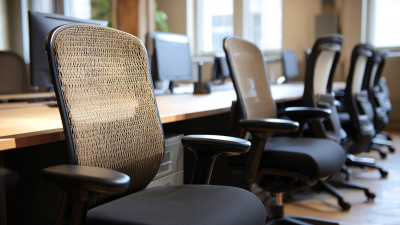
Incorporating elements like modular designs can enhance space utility. Comfort is another consideration for furniture used in American Furniture Office Furniture spaces. Softer chairs and adjustable tables allow for flexibility, catering to different guest needs. As trends shift towards remote work, hotel environments should focus on creating a hybrid space. This challenges designers and hotel owners alike to innovate while keeping costs manageable.
| Furniture Type | Material | Finish | Durability | Style |
|---|---|---|---|---|
| Bed Frame | Solid Wood | Natural Finish | High | Classic |
| Desk | MDF with Veneer | Glossy Finish | Medium | Modern |
| Armchair | Leather | Matte Finish | High | Contemporary |
| Nightstand | Plywood | Stained Finish | Medium | Rustic |
| Dining Table | Reclaimed Wood | Distressed Finish | Very High | Vintage |
The landscape of hotel furniture is evolving. Hotels now prioritize both aesthetics and functionality in their design. A recent industry report suggests that 52% of hotel managers believe functionality significantly impacts guest satisfaction. This data reveals the importance of smart furniture solutions.
Consider the common hotel room. For instance, a bed with built-in storage can maximize space. When furniture is dual-purpose, it not only saves room but also adds convenience. A desk that transforms into a dining table can cater to different needs. The right furniture must adapt to various traveler types. Nbr Furniture offers designs that cater to these preferences.
However, implementing these ideas isn't always straightforward. Some hotels struggle to find the right balance between style and utility. A well-designed room might appear beautiful but lack essential practical features. Hence, the key lies in thoughtful selection. Functionality should never be an afterthought. Ultimately, it impacts the overall guest experience.
Creating ambiance through hotel furniture is an art. Color, texture, and style play vital roles. Choosing the right hues can set the emotional tone of a room. Warm tones invite comfort, while cooler shades promote calmness.
Furniture style must match the overall theme. A modern hotel might favor sleek lines and minimalist designs. Conversely, a cozy retreat could employ rustic wooden pieces and rich fabrics. Each choice should consider how it feels and looks. There’s beauty in the imperfect. A distressed finish on furniture can evoke character.
Reflect on space utilization too. Too much furniture can clutter the atmosphere. It’s essential to find a balance between aesthetics and functionality. Thoughtful arrangements create pathways. Guests should feel at ease walking through the space. Mix different materials for added depth. Metal accents alongside soft upholstery can enhance the visual experience. Each detail counts in crafting a memorable stay.
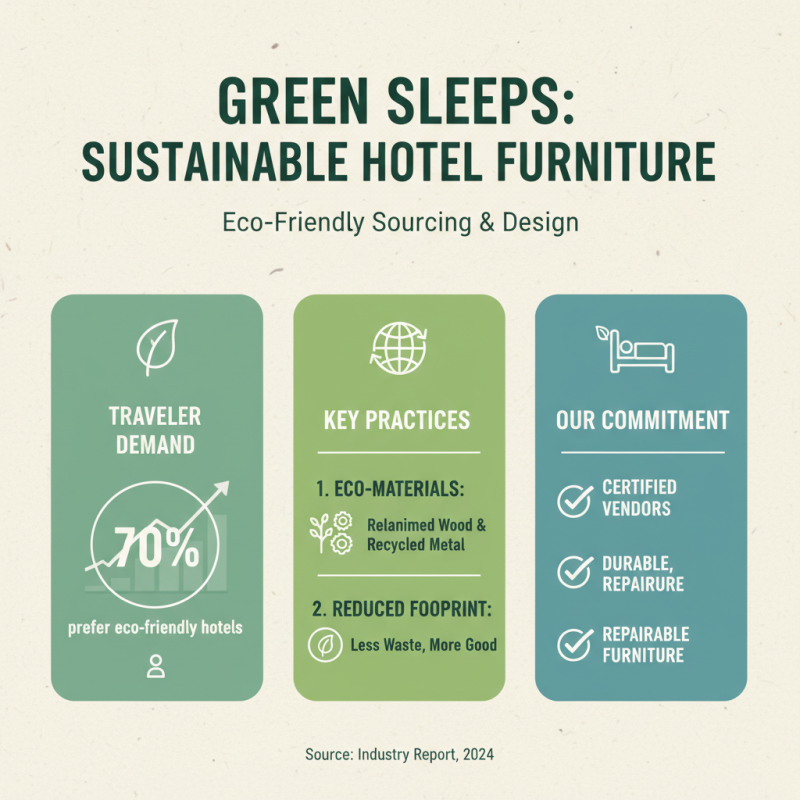
Sustainable practices in hotel furniture sourcing and design are becoming increasingly vital. According to a recent industry report, nearly 70% of travelers prefer eco-friendly accommodations. This statistic illustrates a growing demand for sustainability in hospitality. Choosing environmentally responsible materials is crucial. For example, reclaimed wood and recycled metals can reduce the environmental footprint.
Designing furniture also requires a keen eye for durability. Items that wear out quickly lead to waste. A report from the Sustainable Furnishings Council states that furniture contributes significantly to landfill waste. This encourages hotels to invest in long-lasting pieces, minimizing waste over time.
Additionally, sourcing locally can reduce transportation emissions. Studies show that local materials often have a lower carbon footprint. However, this approach can be challenging. Not all regions offer the materials required for high-quality furniture. Therefore, hotels must balance local sourcing with the need for durability and aesthetics. Reflecting on these challenges is essential for making sustainable practices truly effective.
: Users often gain time savings. Access to a wider range of options is also common.
Sign up on the website or app. Follow the prompts to create an account.
There may be a small fee. Check the pricing details provided during signup.
Yes, you can cancel anytime. The process is straightforward but may involve a few steps.
Contact customer support for assistance. They typically respond quickly but not always instantaneously.
Some services have usage caps. Review the guidelines to understand restrictions fully.
Data protection measures are implemented. However, it’s wise to remain cautious and read privacy policies.
Sharing is typically not allowed. Doing so might lead to complications with account access.
Use the password recovery option. It should help you regain access fairly easily.
Support hours may vary. Check the website for specific times, but delays can happen.
When selecting hotel furniture, there are several key considerations that can significantly impact the comfort and aesthetic of accommodations. It's essential to evaluate current trends in stylish hotel furniture design, which often emphasizes both visual appeal and practicality. Essential types of furniture for hotel rooms include beds, desks, seating, and storage options, all of which should be crafted from durable materials and finishes to withstand frequent use.
Incorporating functionality into hotel furniture solutions is also crucial; multi-functional pieces can enhance space efficiency. Furthermore, the use of color and style can create a welcoming ambiance that resonates with guests. A growing focus on sustainable practices in hotel furniture sourcing and design reflects an increasing awareness of environmental impact. By integrating these elements, hotels can create stylish and functional environments that enhance guest experiences.