When it comes to setting up a workspace that actually helps you get things done, the furniture you choose really makes a difference. Like Dr. Jane Smith, a top expert in ergonomic design, always says, 'Getting good Office Chairs isn’t just about looks — it’s an investment in your health and productivity.' Finding that perfect chair can make hours of work way more comfortable and even boost your focus.
Nowadays, there are tons of options out there. Things like adjustability, good lumbar support, and the quality of the material are all things to keep in mind. With the right chair, you’ll probably notice less discomfort and more ability to concentrate. But honestly, many folks forget to actually sit in the chair before buying — and that’s a big mistake!
As you're browsing, think about what you really need. Are you more concerned with style, or do you want it to be super comfy? It’s common to want both, but sometimes you have to strike a balance. So, go with what feels right for you — your preferences matter most. At the end of the day, choosing a good office chair isn’t just about the look. It’s an investment in your workspace and your well-being that can seriously impact your daily productivity.
Overview of Essential Features in Office Chairs
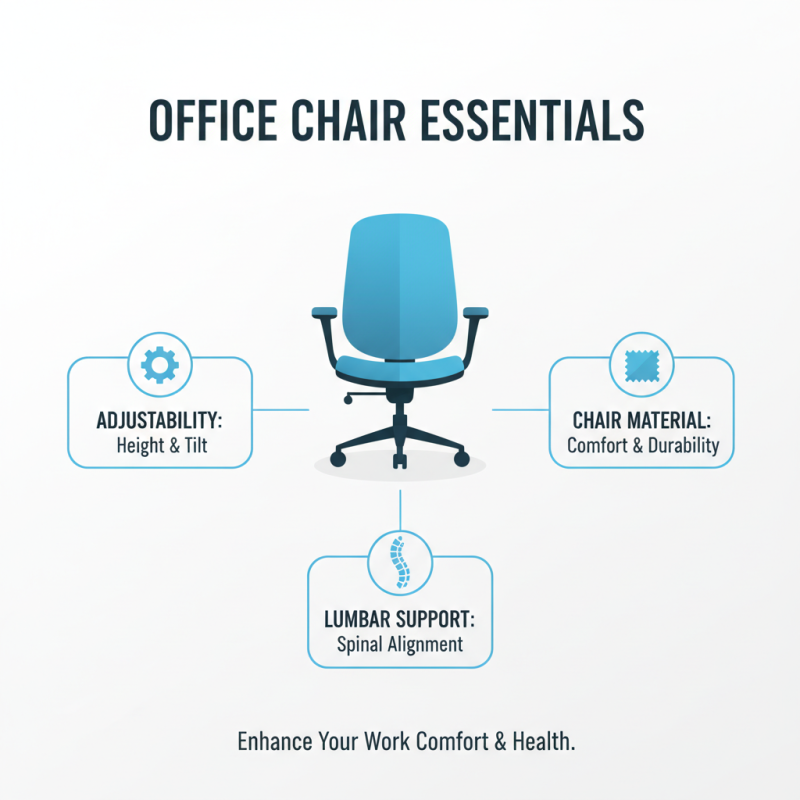
Choosing the right office chair can significantly impact your work experience. Essential features to consider include adjustability, lumbar support, and chair material. A chair that can be easily adjusted helps accommodate various body sizes and personal preferences. Look for height and tilt adjustments to find your ideal posture.
Lumbar support is another critical feature. Good lumbar support promotes better spinal alignment. This can help reduce back pain during long working hours. Pay attention to the design of the backrest; it should contour to the natural curve of your spine.
When selecting Great Home Office Chairs, also consider the chair material. Breathable fabric can enhance comfort during extended use. A chair with quality materials often lasts longer, making it a worthwhile investment.
**Tips:** Adjust your chair daily to find the perfect fit. Regular breaks are essential; stand up and stretch every hour. Testing a chair before purchasing can reveal features you might overlook online. Prioritize comfort over style to ensure productivity in your workspace.
Benefits of Ergonomic Design for Workplace Comfort
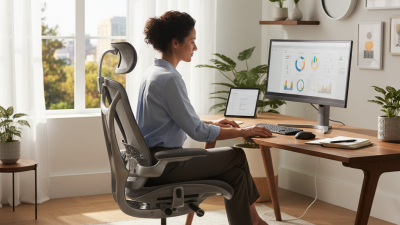
When selecting Great Office Furniture, the importance of ergonomic designcannot be overlooked. Ergonomic Chairs enhance comfort, supporting your back and promotinghealthy posture. Such chairs reduce strain on muscles and joints, allowing longer, more productive work periods. Investing in these chairs can greatly decrease discomfort during extended hours at your desk.
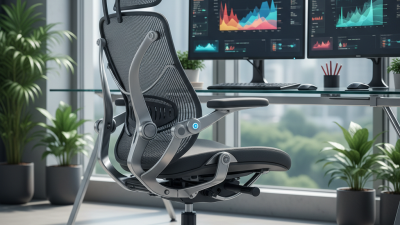
Tips for choosing an ergonomic chair include checking for adjustable features. Look for height adjustments, lumbar support, and armrest flexibility. These features should cater to your specific needs. Ensuring that the chair fits your body shape is crucial for optimal support. Don’t rush this decision; take the time to test chairs before committing.
A common mistake is overlooking the chair’s material. Breathable fabrics can enhance comfort by preventing overheating during long work sessions. Pay attention to the chair’s construction and warranty as well. Durable materials can withstand daily use better. Balancing comfort and durability can lead to a significant improvement in your workspace.
Top Brands Known for Quality Office Chairs
Investing in a quality office chair is crucial for any workspace. It impacts comfort and productivity. Leading brands in the Office Furniture industry create chairs that enhanceergonomics and support. These brands prioritize durability and style, ensuring they cater to diverse preferences.
When selecting An Office Chair,prioritize adjustability. A chair that can adapt to your body can alleviate back pain. Consider features like lumbar support and seat height. It helps to sit comfortably, especially during long work hours.
Be mindful of your workspace. Aesthetic appeal matters, but utility is vital. Try different chairs before making a purchase. Test the cushioning and support to see if it aligns with your needs. Comfort can vary from person to person, so trust your instincts in choosing the right fit. Sometimes, the most recommended chair may not be the best for you.
Budget Considerations When Choosing an Office Chair
When choosing an office chair, budget is a significant factor. A recent survey by the American Society of Interior Designers reveaLED that 70% of employees prioritize comfort over brand when selecting office furniture. This indicates a strong belief that a good chair does not need to be expensive. However, many overlook long-term costs associated with poorly designed chairs.
Investing in ergonomic designs can reduce health issues. The Occupational Safety and Health Administration reports that musculoskeletal disorders are among the top reasons for workplace absenteeism. In contrast, a good chair can lead to enhanced productivity. Findings from a study by the Global Wellness Institute show that employees report a 15% increase in productivity when comfortable.
The price range for office chairs varies widely. Budget chairs can cost as little as $50, while high-end models may exceed $500. However, finding a balance is crucial. Spending $200 on a decent ergonomic chair can save thousands in health costs later. Consider this a long-term investment rather than a one-time expense. You might feel tempted to cut corners, but the learning curve could be painful.
Top 10 Great Office Chairs: Budget Considerations
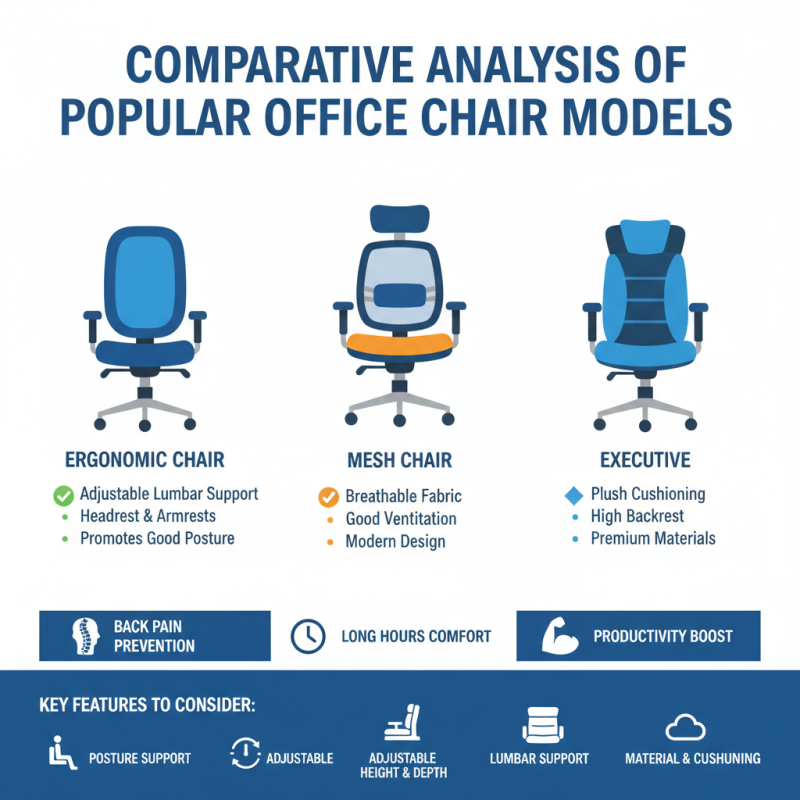
Comparative Analysis of Popular Office Chair Models
When selecting the right office chair, comfort and support are essential. Many models offer adjustable features. Look for chairs that promote good posture. A well-designed chair can prevent back pain. Consider chairs with lumbar support. It’s crucial for long hours at a desk. Explore options that let you alter the seat height easily. A chair that fits your body enhances productivity.
A comparative analysis of popular office chairs reveals diverse features. Some chairs focus on ergonomic design, while others prioritize aesthetics. Take time to assess materials, cushioning, and adjustments. Consider how each model interacts with your workspace. The right chair should blend functionality with style. Pay attention to the wheelbase for smooth mobility. A stable base ensures safety while moving.
Tips for selecting the right office chairs: Test chairs before buying. Sit in them for at least 10 minutes. This will help you gauge comfort. Check the weight capacity too. Some might not suit larger users. Reviews can offer insights, but don't solely rely on them. It's about your personal comfort. Remember, your workspace chair is an investment in your health.
User Reviews and Feedback: Real Experiences with Office Chairs
When choosing office chairs, user feedback is essential. Many workers spend hours seated, impacting health and productivity. According to a survey from the American Chiropractic Association, 80% of people experience back pain at some point. An ergonomic chair can mitigate these issues. Users frequently highlight the importance of lumbar support and adjustable features.
It's interesting to note that 64% of employees report improved comfort with proper chairs. Yet, some people overlook these factors, choosing aesthetic over functionality. This choice can lead to discomfort. Reports suggest that a poorly designed chair can reduce productivity by up to 20%. Real experiences shared by users show a clear connection between comfort and performance.
Additionally, durability and usability are crucial factors. Many reviews point out the frustration of chairs that break or wear quickly. About 30% of users expressed disappointment with their chair's longevity. Investing in quality office chairs pays off in the long run. Prioritizing long-term function and ergonomic design ultimately leads to better work environments.
Maintenance Tips for Prolonging the Life of Your Office Chair
Office chairs are essential for a comfortable workspace. However, maintaining them is crucial for longevity. Regular cleaning is vital. Dust and dirt can accumulate, leading to wear and tear. Wipe down your chair with a damp cloth weekly. Use mild cleaners to avoid damaging the material.
Check for loose screws or joints often. Tightening these can prevent bigger issues down the line. Rolls and wheels should be inspected too. They should move smoothly on various surfaces. Lubrication can help but don’t overdo it.
Consider the environment around your chair. Sunlight can fade colors over time. Position your chair away from direct light. Rotate your chair occasionally to avoid uneven wear. These small steps will extend its life significantly. Reflect on your habits to maintain your chair effectively. Recognizing what impacts durability is essential.
Enhancing Workspace Productivity: Insights from Recent Industry Reports on High Quality Lacquered Office Furniture Trends and Benefits
In today’s fast-paced work environment, enhancing productivity is a key objective for many organizations. Recent industry reports highlight the growing trend of high-quality lacquered office furniture, which not only elevates the aesthetic appeal of a workspace but also promotes efficiency and comfort. The sleek finish of lacquered surfaces creates a polished look that can inspire creativity and collaboration among employees. Workstations and desks designed with this material provide a stylish and functional platform for productivity, making everyday tasks more enjoyable and organized.
The versatility of lacquered office furniture is another significant advantage, as it can seamlessly integrate into various workplace settings. From conference rooms equipped with elegant tables and chairs to reception areas that make a strong first impression, lacquered furniture caters to the needs of diverse industries. Additionally, features such as filing cabinets, pantry cabinets, and screens can enhance the overall functionality of the space, ensuring that employees have all necessary resources at their fingertips. By investing in high-quality lacquered office furniture, companies can create an environment that not only looks professional but also supports the well-being and productivity of their teams.
FAQS
: Ergonomic design enhances comfort, promotes healthy posture, and reduces strain on muscles and joints.
Check for adjustable features like height, lumbar support, and flexible armrests to meet your specific needs.
Breathable fabrics prevent overheating during long sessions. Durable materials improve resilience against daily use.
Sitting for at least 10 minutes helps gauge comfort and suitability for your body shape.
Overlooking the chair's material and rushing the decision can lead to discomfort and poor support.
A chair that fits well can enhance productivity by reducing discomfort during extended work hours.
While aesthetic appeal matters, prioritize comfort and utility to ensure a conducive workspace.
Trust your instincts and assess whether it aligns with your comfort preferences and workspace needs.
Yes, the most recommended chair might not suit your personal comfort, so trust your own judgment.
Always check the weight capacity, as some chairs may not be suitable for larger users.
Conclusion
When selecting the perfect seating for your workspace, it's important to consider a range of essential features that define great office chairs. Key aspects include ergonomic design, which promotes workplace comfort and reduces the risk of strain during long hours of sitting. This article explores the benefits of ergonomic designs and outlines various top brands known for their quality offerings.
In addition to assessing popular office chair models, the discussion also addresses budget considerations to help you make an informed choice. Real user reviews provide valuable insights into the performance and durability of different chairs, whereas maintenance tips ensure that your investment lasts longer. Ultimately, understanding these aspects will guide you in finding great office chairs that enhance both productivity and comfort in your work environment.